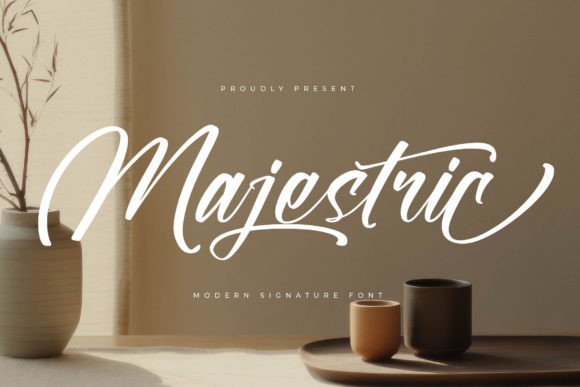
College Vintage: An Elegant Script for Modern Branding
There’s a particular kind of charm in a font that feels both timeless and immediate. You know the type—it carries the warmth of a handwritten note but with a polish that speaks to modern design sensibilities. College Vintage is precisely that kind of typeface. It’s an elegant, fluid handwritten script that manages to be sophisticated without being stuffy, personal without sacrificing professionalism. For designers, entrepreneurs, and creators looking to add a touch of refined authenticity to their projects, this premium font offers a compelling solution.
Where Fluidity Meets Sophistication
At its heart, College Vintage is a script font that draws inspiration from classic calligraphic forms but refines them for contemporary use. The letterforms connect with a natural, flowing rhythm, mimicking the subtle variations of hand-lettering. You’ll notice graceful ascenders and descenders, elegant swashes, and a consistent baseline that ensures legibility even as it exudes personality. Unlike some handwritten fonts that lean too casual or messy, College Vintage maintains a clear structure. Its strokes have a confident weight, offering a balance between delicate finesse and solid presence. This makes it incredibly versatile—it can whisper intimacy on a wedding invitation or command attention as a display font on a boutique product label.
The overall appeal lies in its duality. It feels personal, like a signature or a love letter, yet it’s designed with the precision needed for professional applications. It doesn’t try to imitate a specific era too literally; instead, it captures a modern typography interpretation of vintage elegance. This allows it to fit seamlessly into both classic and contemporary brand identity systems, providing a human touch in an increasingly digital world.
Practical Applications Across Creative Projects
Understanding a font’s personality is one thing; knowing where to deploy it effectively is another. College Vintage shines in applications where emotion, elegance, and a personal connection are paramount. Its fluidity makes it less suited for long paragraphs of body copy but exceptional for impactful, short-form text.
In editorial design, think beyond the headline. Use it for chapter titles in a cookbook, pull quotes in a lifestyle magazine, or the signature on an author’s byline. For packaging design, it elevates artisanal goods, gourmet products, or luxury cosmetics, suggesting a story behind the brand. The font adds immediate perceived value, making a product feel curated rather than mass-produced.
Digital spaces benefit immensely from its character. In web design, College Vintage works beautifully for hero section taglines, navigation links in a boutique e-commerce site, or the header for an “About Me” page on a portfolio. For social media graphics, it’s a powerhouse. Imagine it on Instagram story templates for quotes, on Pinterest pins for wedding inspiration, or as the primary type for a blogger’s logo. It stops the scroll because it feels handcrafted and intentional.
For entrepreneurs and small business owners, the font is a strategic design asset. It’s perfect for creating a distinctive logo design for a wedding planner, a boutique hotel, a high-end florist, or a creative consultant. It communicates taste, attention to detail, and a personalized service ethos. When used consistently across business cards, websites, and social media, it becomes a cornerstone of a recognizable and professional brand identity.
Pairing and Practical Considerations
A great script font rarely works in isolation. The key to using College Vintage effectively is thoughtful font pairing. Its ornate nature calls for a clean, stable counterpart. A simple, geometric sans serif font is often a perfect match, providing clear readability for longer text while letting the script headlines take center stage. A classic serif font with moderate contrast can also create a harmonious, traditional pairing for more formal applications. The rule of thumb is to let College Vintage be the star—the accent—and pair it with a supporting actor that doesn’t compete for attention.
Before integrating any commercial font into a project, a practical test is non-negotiable. Type out your actual project text—the business name, the headline, the tagline. Check the spacing between letters (kerning) and words. Look at how specific letter combinations connect. Ensure the font’s style aligns with your project’s tone; is it too playful, too formal, or just right? Always review the full character set. Many quality script fonts include stylistic alternates, ligatures, and swashes. These extras are what allow you to customize the look and avoid a generic feel, so take time to explore them in your design software.
Finally, a note on licensing. As a premium font, College Vintage will come with specific terms. Always read the End User License Agreement (EULA) carefully. Understand if it covers desktop, web, and app use. For commercial projects—whether you’re a designer creating a logo for a client or a business owner using it on your products—ensure your license is appropriate. Reputable font foundries make these terms clear, and respecting them supports the artists who create these valuable tools.
In the end, choosing a typeface like College Vintage is about selecting a voice for your visual communication. It’s a voice that speaks of elegance, craft, and thoughtful design. Used with intention, it can transform a simple layout into a memorable experience, helping your project or brand connect with its audience on a deeper, more aesthetic level. It’s not just a font; it’s a strategic element that, when wielded well, adds significant value to your creative toolkit.